Narrative on the Evolution and Significance of Nature-Inspired Soundscapes in Video Games
The auditory experience in video games has evolved from a mere background element to a dynamic and integral component of storytelling, immersion, and emotional engagement. A significant part of this evolution is the increasing prominence of nature-inspired soundscapes that reflect the environments within which the player interacts. Through a detailed examination of key games such as The Legend of Zelda: Ocarina of Time (1998), Animal Crossing: New Leaf (2012), and Pokémon X & Y (2013), it is clear that sound design has become an essential tool for creating emotionally resonant and immersive virtual worlds. The progression of these soundscapes underscores the growing importance of audio as a narrative device, one that not only sets the mood but enhances gameplay, deepens player connection to the environment, and conveys powerful philosophical messages.
One of the pioneering moments in this evolution is found in The Legend of Zelda: Ocarina of Time. Unlike traditional video game music that served as a passive background element, Ocarina of Time introduced interactive music that allowed players to manipulate the environment through sound. A prime example is the ocarina itself, which serves as both a musical instrument and a tool for changing in-game weather, time, and location. By playing specific melodies, players could summon rain, change day into night, or even transport themselves to far-flung places. This integration of music into gameplay was groundbreaking, and it laid the foundation for later titles to use audio as an active mechanic rather than simply a passive accompaniment. The use of music to evoke nostalgia and mystery, as seen in the “Song of Storms,” deepened the emotional engagement of players, linking the gameplay to their own memories and emotions (Atkinson 2019). This early example of interactive sound design highlighted music as not just a gameplay element but a philosophical tool that blurred the line between action and reflection.
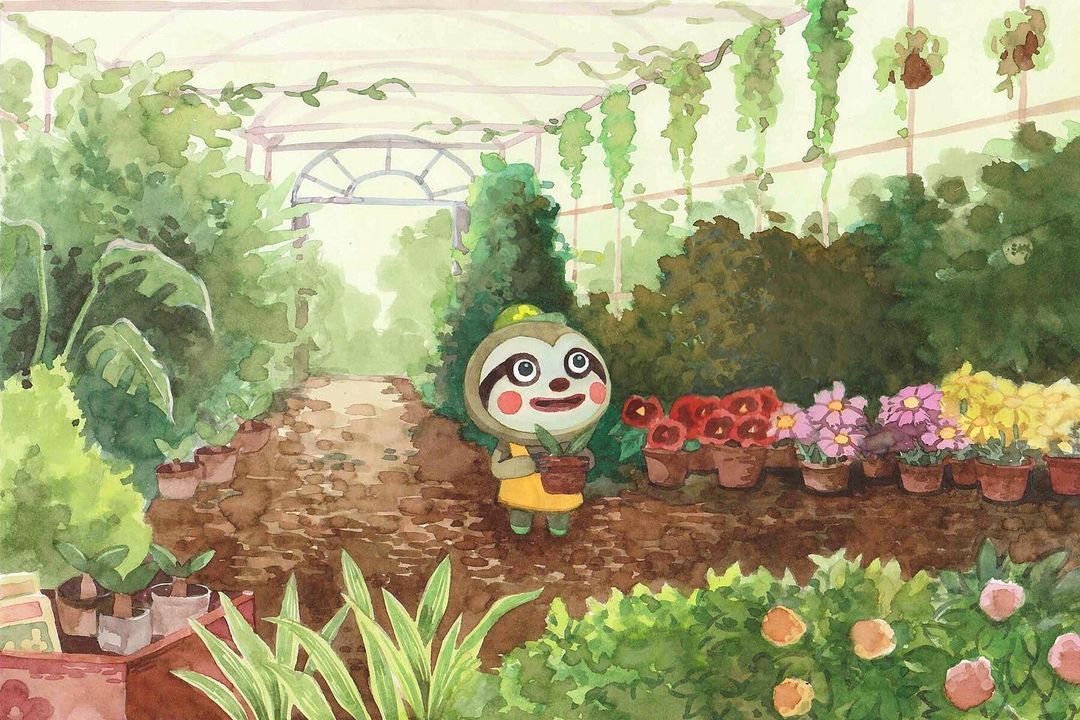
Animal Crossing: New Leaf (2012) furthered the evolution of environmental sound design by incorporating dynamic, context-sensitive audio that changed in response to in-game conditions. The sounds in New Leaf shift based on time of day, weather, and location, turning what might have been a static background into a responsive, living entity. The gentle rustling of trees in the wind, the soft crash of waves on the shore, and the tranquil hum of insects at night all work in tandem with the game’s adaptive soundtrack to reinforce the game’s themes of tranquility and connection to nature. The cyclical patterns of sound, shifting with the seasons and the real-time clock, foster a deep sense of immersion. In this way, sound in Animal Crossing is not merely a decorative element but a core part of the experience that draws the player into the virtual world. The reflective atmosphere created by these natural soundscapes, with their soothing rhythms, evokes a sense of peace and nostalgia, promoting an emotional connection between the player and the game world (Lavengood and Williams 2023). Here, the soundscapes are not just about environmental immersion but also about creating an emotional space where players can reflect and engage in meditative activities like gardening or fishing.
The Pokémon series, known for its immersive worlds and rich soundtracks, took environmental sound design to new heights with Pokémon X & Y (2013). In particular, the design of Snowbelle City, a serene and melancholic town perpetually covered in snow, exemplifies the role of nature-inspired soundscapes in deepening player immersion. The theme for Snowbelle City combines a soothing, bell-like chime with airy synth pads that evoke both serenity and melancholy, mirroring the stark yet beautiful winter landscape. The music alone creates a mood of calm isolation, yet it is the careful integration of environmental sound effects—such as the crunching of footsteps in the snow and the muffled sounds of a winter landscape—that elevate the atmosphere to one of total immersion. The contrast between these soft, organic sounds and the melodic score reflects the unpredictable nature of the environment, reinforcing the emotional weight of exploration and discovery. In this case, sound design is used to reinforce the feeling of quiet beauty and introspection that defines the experience of navigating Snowbelle City (Ciesla 2022). This treatment of sound not only creates a unique sensory experience but also deepens the player’s emotional connection to the world.
A closer examination of Pokémon X & Y’s Snowbelle City theme further supports the idea that game audio is an active participant in the narrative. In my analysis of the piece’s waveform, I noted a section of near-silence at the 39 to 45-second mark that functions as a natural transition between musical phrases. This moment of quiet acts as a lull in the snowfall before the wind picks up again, adding a dynamic ebb and flow to the composition. The careful use of silence and dynamic contrast mirrors the natural world’s unpredictability, where moments of stillness are often interrupted by the sudden rush of wind or snowfall. The bell-like chime that repeats throughout the melody, with its quick attack, gentle decay, and extended release, is particularly striking. This sound evokes the crispness of cold air and the lingering echo of sound in a snow-covered landscape. The combination of these elements creates an emotionally evocative piece, where the player is transported into the heart of a tranquil, snow-laden world. Through this analysis, it becomes evident that sound design is not just an embellishment but a carefully crafted tool for evoking atmosphere and reinforcing emotional themes.
Similarly, Animal Crossing: New Leaf utilizes sound design to create an emotionally resonant experience. The 1 AM Rainy theme exemplifies how note frequency analysis can reveal the underlying emotional structure of a piece. The high-pitched D#7, F#6, and B6 notes create a shimmering, rain-like texture that reinforces the track’s dreamy, reflective quality. The warm, mid-range tones such as B5 and G#6 provide a sense of grounding, preventing the track from feeling too distant or cold. This balance of high, ethereal sounds with lower, more stable tones helps create a soothing atmosphere, evoking the feeling of walking through a rain-soaked village at night. The track becomes a tool for emotional immersion, drawing the player into the quiet solitude of the game world, where the passage of time is marked by the gentle rhythm of falling rain (Lavengood and Williams 2023). Through careful manipulation of sound, New Leaf transforms a simple environmental cue into a profound emotional experience.
The significance of these examples extends beyond the confines of the games themselves, highlighting a broader trend in the video game industry: the increasing recognition of sound as a core element of world-building and storytelling. The evolution of game soundscapes reflects an understanding that audio can shape player perception, enhance immersion, and evoke emotional responses. This shift is further evidenced by the steady rise of terms like “interactive music” and “environmental storytelling” in academic and industry discourse. As these concepts gain traction, it becomes clear that the role of sound in video games is no longer limited to traditional music composition. Instead, sound has become an essential tool for creating a rich, emotionally resonant experience that mirrors the complexity of the natural world.In conclusion, the development of nature-inspired soundscapes in video games, from Ocarina of Time to Pokémon X & Y, represents a significant shift in the role of audio in gaming. These soundscapes are not just passive backdrops but active participants in the creation of immersive, emotionally resonant experiences. Through dynamic composition, interactive music, and environmental sound effects, these games invite players to form deep emotional connections with their virtual worlds, evoking the beauty and complexity of nature itself. As the industry continues to refine its approach to sound design, the potential for games to create meaningful, reflective experiences will only expand, further solidifying the importance of sound as a core element of storytelling in interactive media.
This project was inspired by my own experiences with nature-inspired soundscapes in video games—how they have shaped my understanding of atmosphere, emotion, and the power of audio to tell a story. By exploring games like Animal Crossing, Harvest Moon, and Pokémon, I wanted to highlight how sound not only supports but enhances the narrative, offering players an emotional connection to the world around them. Personally, these soundscapes were foundational in my gaming journey, deeply influencing how I perceive both virtual environments and the natural world. This project reflects my passion for audio design and my desire to showcase the importance of sound in creating immersive, emotionally resonant experiences in gaming. Through this exploration, I hope to inspire others to appreciate and analyze the soundscapes that help bring our favorite virtual worlds to life.